


How To Read Dog Food Labels
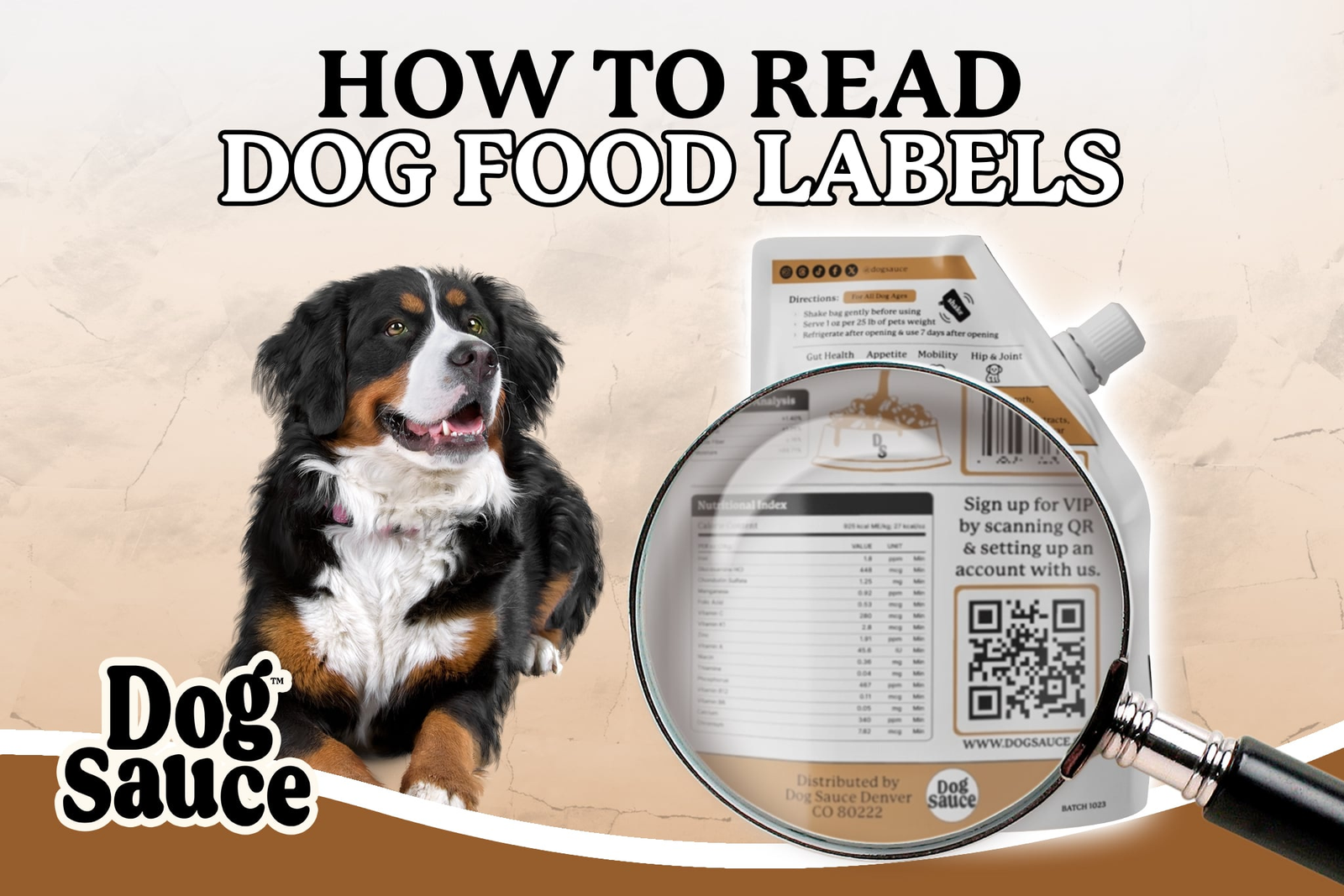
Most pet owners don’t really know what’s in their dog’s food—and that’s okay! Labels can be confusing. But learning to read them is one of the easiest ways to keep your pup healthy.
This quick guide breaks it all down!
Key Components of Pet Food Labels

Every dog food package must include certain information by law. Here are the eight main parts you’ll find on any dog food label:
-
Product Name and Brand - Tells you who made it and what it’s called.
-
Intended Species and Life Stage - Shows if it’s for puppies, adult dogs, or seniors.
-
Net Quantity Statement - Tells you how much food is in the package.
-
Ingredient List - Lists everything in the food, from most to least, by weight.
-
Guaranteed Analysis - Shows percentages of protein, fat, and other nutrients.
-
Nutritional Adequacy Statement - Confirms if the food provides complete nutrition.
-
Feeding Directions - Suggests how much to feed your dog.
-
Manufacturer’s Information - Provides contact details for the company.
Now, let’s look at each part in more detail!
The Product Name: What It Reveals About Ingredients
The product name isn’t just clever marketing; it tells you much about what’s in the food! The Association of American Feed Control Officials (AAFCO) has strict rules about naming. But it’s the wording that matters. Let’s break down these rules:
The 100% Rule
If a product claims to be “100% Chicken” or “All Beef,” it must contain only that ingredient, with no added vitamins, minerals, or other ingredients. These products are rare and usually used as treats or food toppers rather than complete meals.
The 95% Rule
When dog food is named “Chicken Dog Food” or “Beef for Dogs,” at least 95% of the product must be the named ingredient (not counting water). When you include water weight, that named ingredient must still make up at least 70% of the total product1.
This rule applies when an ingredient is simply listed in the name without descriptive terms. According to AAFCO regulations, the remaining 5% of ingredients will be those required for nutritional reasons, such as vitamins and minerals and small amounts of any other ingredients.
The 25% Rule
This is where it gets tricky! Products with words like “dinner,” “entrée,” “formula,” or “platter” in the name only need to contain 25% of the named ingredient. So “Chicken Dinner for Dogs” only needs to be 25% chicken, which is a big difference from “Chicken Dog Food” (which must be 95% chicken).
The “With” Rule
When you see “Dog Food with Chicken,” the rules only require 3% of the named ingredient. That’s a huge difference from “Chicken Dog Food” (95%) or even “Chicken Dinner” (25%)! Just that little word “with” tells you there’s much less of the ingredient.
The Flavor Rule
According to the U.S. Food and Drug Administration (FDA), if a product says “Beef Flavored Dog Food,” it only needs a detectable amount of beef flavor - not necessarily actual beef! The flavor could come from beef by-products or even artificial flavoring.
Intended Species and Life Stage
This part of the label tells you who the food is for. Dogs have different nutritional needs depending on their age, size, and activity level.
Look for terms like:
-
“For All Life Stages” - Meets nutritional needs of puppies through seniors.
-
“For Growth” or “For Puppies” - Higher in calories and essential nutrients for growing dogs.
-
“Adult Maintenance” - Balanced for healthy adult dogs.
-
“Senior” - Often has less fat and special nutrients for older dogs.
This information is usually found near the nutritional adequacy statement, often on the back or side of the package. Feeding your pup food made for their life stage helps ensure they get the proper nutrition.
Net Quantity Statement
This simply tells you how much food is in the package. It’s usually shown in pounds (and kilograms) and appears on the front of the package.
But be careful! Just because a bag is bigger doesn’t mean it will feed your dog longer. Some foods are more dense or nutrient-rich than others, meaning your dog needs less of it per serving. Always check the feeding guidelines to know how long a package will actually last.
Ingredient List: What to Look For in Your Dog’s Food
The ingredient list tells you what’s in your dog’s food—starting with the heaviest stuff before it’s cooked. Here’s how to read it like a pro:
What to Know:
-
Ingredients are listed from most to least by weight (before cooking).
-
The first 3–4 ingredients are key—they make up most of the food.
-
Fresh meats include water, so they seem heavier—but shrink during cooking.
-
“Meal” (like chicken meal) has no water and packs more protein than fresh meat.
What To Watch Out For:
-
Vague terms like “meat meal” (what kind of meat??).
-
Fillers high on the list—like corn, wheat, or by-product meals.
-
Artificial junk like BHA, BHT, or ethoxyquin (preservatives you don’t want).
Guaranteed Analysis
This section shows the minimum percentages of crude protein and fat and the maximum percentages of fiber and moisture in the food. Look for:
-
Crude Protein: Minimum percentage (higher is generally better).
-
Crude Fat: Minimum percentage (needs to be appropriate for your dog’s activity level).
-
Crude Fiber: Maximum percentage.
-
Moisture: Maximum percentage (typically 10-12% for dry food, 75-78% for wet food).
The word “crude” refers to how these nutrients are measured in a lab - it doesn’t mean the quality is poor.
Remember that these percentages can be tricky to compare between wet and dry foods because of the different moisture levels. To make fair comparisons, you need to convert to a “dry matter basis.”
Nutritional Adequacy Statement
This might be the most important part of the label! It tells you if the food provides complete and balanced nutrition for your dog. Look for:
-
“Complete and Balanced” - means the food provides all necessary nutrients.
-
Life stage information - tells you if it’s for “growth,” “maintenance,” or “all life stages.”
-
AAFCO statement - confirms the food meets industry standards.
This statement is usually found in small print on the back or side of the package. It will either say the food was formulated to meet nutritional levels established by AAFCO or that feeding tests using AAFCO procedures prove the food provides complete nutrition.
Feeding Directions
This section tells you how much food to feed your dog based on weight. Remember that these are just guidelines! Your dog’s needs may vary based on:
-
Age
-
Activity level
-
Metabolism
-
Whether they’re spayed/neutered
-
Health conditions
Start with the recommended amount and adjust based on your dog’s body condition. You should be able to feel (but not see) your dog’s ribs. When adding tasty toppers like DogSauce, you might need to adjust the amount of kibble slightly to maintain a healthy weight.
Manufacturer’s Information
This section tells you who made the food, the guarantor, or the party responsible for manufacturing or distributing the pet food product and how to contact them. Look for:
-
Company name
-
Physical address (not just a P.O. box)
-
Phone number or website
Quality companies will have customer service available to answer questions about their products. It’s a good sign if a manufacturer is willing to tell you where their ingredients come from and where the food is made.
Decoding Marketing Terms and Certifications

Dog food packages are covered with fancy words that sound good but don’t always mean what you think:
-
“Natural” - Contains no artificial flavors, colors, or preservatives but may still contain processed ingredients.
-
“Organic” - Must meet USDA organic standards (look for the USDA Organic seal).
-
“Holistic” - Has no official definition or regulations.
-
“Premium” or “Gourmet” - Marketing terms with no regulatory meaning.
-
“Human-grade” - Legally, must be made in facilities that produce human food with ingredients fit for human consumption (rare and expensive).
-
“Grain-free” - Contains no grains but may have other carbohydrates like potatoes.
-
“Limited ingredient” - Contains fewer ingredients than typical foods, good for dogs with allergies.
Tips for Choosing the Right Dog Food
Picking the best food for your pup doesn’t have to be complicated. Here’s what you need to know to make an informed decision:
What To Look For:
-
Real meat first (like chicken or beef—not vague stuff like “meat meal”).
-
AAFCO-approved for your dog’s life stage (puppy, adult, senior).
-
Simple, clean ingredients you can recognize.
-
Foods made by trusted brands that are open about where and how their food is made.
What to Avoid:
-
Mystery ingredients like “animal by-product.”
-
Artificial colors, flavors, or preservatives.
-
Common allergens (if your dog has sensitivities), like wheat, soy, or dairy.
Extra Tips:
-
Match food to your dog’s age, breed, size, and activity level.
-
Talk to your vet if your dog has health issues.
-
Switch foods slowly to prevent tummy troubles.
-
Keep an eye on your dog’s energy, coat, and poop to see how they’re reacting.
Want to boost your dog’s meal? Try a nutritious topper like DogSauce—made to add flavor and nutrients.
Check out DogSauce’s toppers here and treat your pup to something extra tasty and healthy!
FAQs:
What Is AAFCO and What Does It Do?
AAFCO (Association of American Feed Control Officials) is a non-profit that sets nutrition and labeling standards for pet food.
While it doesn’t certify products, AAFCO works with the FDA and states to ensure pet food meets minimum nutritional guidelines. It also creates nutrient profiles and feeding trial standards for “complete and balanced” diets.
What Does 80-10-10 Mean in Dog Food?
The 80-10-10 ratio is a guideline for raw feeding that mimics the natural prey diet of wild canines. It breaks down as:
-
80% muscle meat: Provides protein for energy and tissue repair.
-
10% raw bone: Supplies calcium and minerals for bone health and dental hygiene.
-
10% organ meat: Includes nutrient-rich organs like the liver (5%) and other secreting organs (5%) packed with essential vitamins like A and B.
This ratio is popular in raw diets like the BARF (Biologically Appropriate Raw Food) model but should be tailored to your dog’s unique needs with input from a veterinarian or canine nutritionist.
How Do I Store My Dog Food Properly?
To properly store dog food (fresh and safe), follow these tips:
-
Dry kibble: Store in an airtight container away from heat and moisture. Avoid leaving it in the original bag, which isn’t fully airtight.
-
Canned food: Once opened, refrigerate leftovers and use within 3-5 days.
-
Raw food: Keep frozen until ready to use; thaw in the fridge rather than at room temperature.
Last, never mix old kibble with new kibble; this can introduce bacteria from the older batch.
How Can I Tell if a Dog Food Is High-Quality Based on the Label?
Look for these indicators:
-
Named protein source: Ingredients like “chicken” or “beef” (NOT vague terms like “meat meal”) as the first ingredient.
-
AAFCO statement: Confirms the food meets nutritional standards for your dog’s life stage.
-
Transparent sourcing: Manufacturer’s contact information and clear ingredient origins.
-
Limited fillers: Avoid foods with corn, wheat, or soy dominating the ingredient list.
What Ingredients Should I Avoid on Dog Food Labels?
Steer clear of:
-
Unspecified by-products: Terms like “animal by-product meal” lack transparency about protein sources.
-
Artificial preservatives: BHA, BHT, and ethoxyquin are linked to health risks.
-
Vague terms: “Meat meal” or “animal digest” may include low-quality parts.
-
Excessive carbohydrates: Fillers like corn syrup or brewer’s rice offer minimal nutritional value.
How Can I Identify Allergens on Dog Food Nutrition Labels?
Check the ingredient list and any “contains” statements for common allergens like beef, chicken, dairy, wheat, soy, or eggs.
If your dog has sensitivities, go for limited-ingredient diets and avoid known triggers. Always switch foods slowly and watch for signs like itching or stomach issues.
Can I Trust “Natural” and “Holistic” Claims on Dog Food?
No, the terms “natural” and “holistic” on dog food labels are not always reliable quality or nutritional value indicators. While “natural” has a legal definition, it’s broad and doesn’t guarantee specific ingredients or processes. “Holistic” has no regulatory definition, making it a marketing term often used without a clear, consistent meaning.
How Do I Read Labels for Dogs With Special Dietary Needs?
To decipher dog food labels for dogs with special dietary needs, focus on the ingredient list, guaranteed analysis, and nutritional adequacy statement. Look for specific ingredient restrictions, nutrient levels, and claims related to the dog’s condition, such as allergies or digestive issues.






Free Shipping
Free shipping on orders over $75

Money‐Back
Money back guarantee if your dog doesn't like it

Secure Checkout
Fast and smooth payment processing
{"statementLink":"","footerHtml":"","hideMobile":false,"hideTrigger":false,"disableBgProcess":false,"language":"en","position":"left","leadColor":"#146ff8","triggerColor":"#146ff8","triggerRadius":"50%","triggerPositionX":"right","triggerPositionY":"bottom","triggerIcon":"people","triggerSize":"medium","triggerOffsetX":20,"triggerOffsetY":20,"mobile":{"triggerSize":"small","triggerPositionX":"right","triggerPositionY":"bottom","triggerOffsetX":10,"triggerOffsetY":10,"triggerRadius":"50%"}}